Found in Plain Sight: Cityside Art Adventures
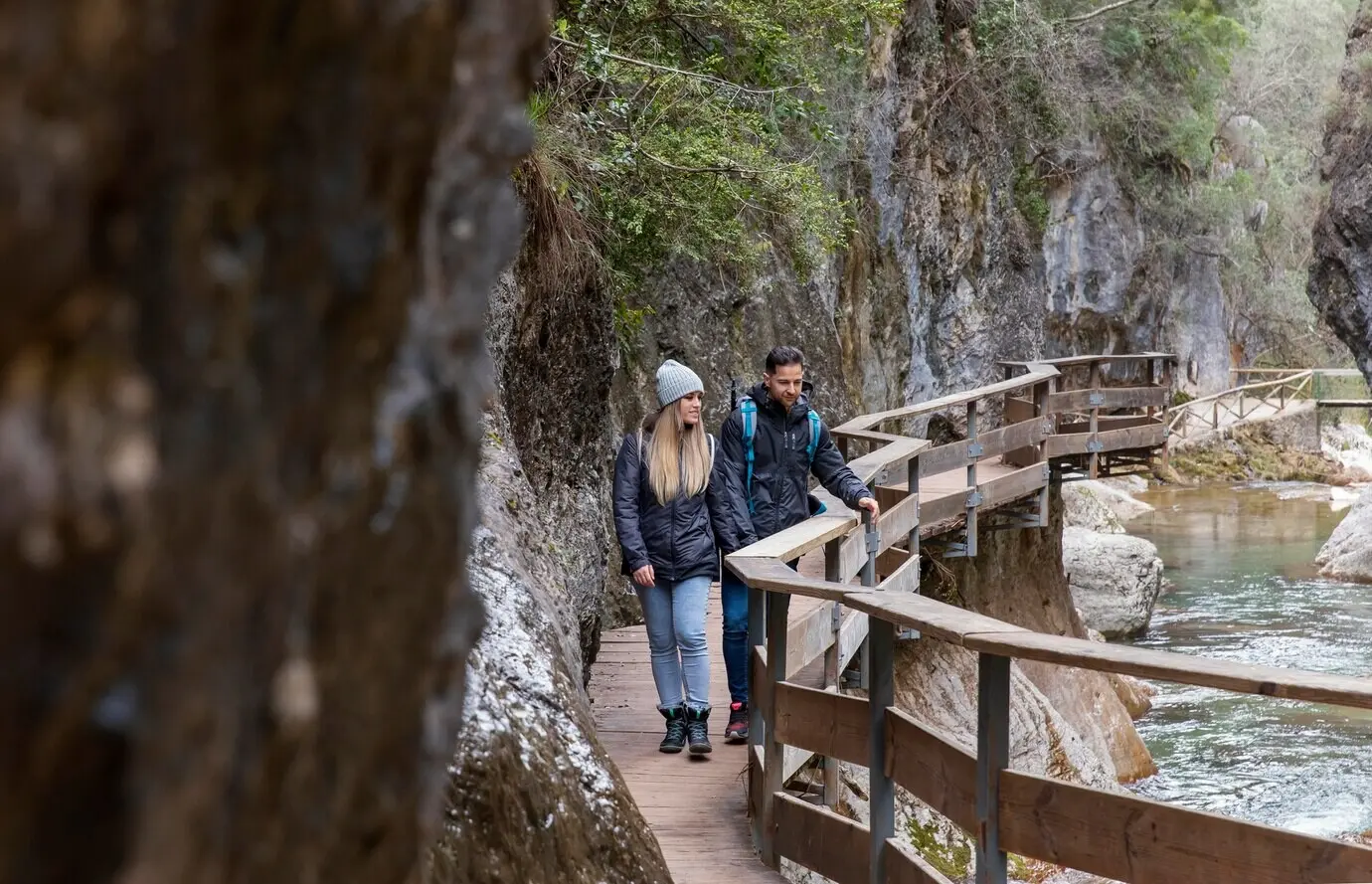
Join us as we explore Curbside Curiosities: Finding and Mapping Hidden Public Art on City Blocks, turning casual walks into treasure hunts. We’ll spotlight overlooked murals, stickers, stencils, mosaics, and utility-box masterpieces, while teaching simple, ethical mapping methods that help neighbors, visitors, and artists see their streets with freshly curious eyes.

Why Hidden Public Art Matters

Small interventions reshape how a neighborhood feels, creating belonging without fanfare. From hand-cut stencils under lampposts to tile fragments tucked into curb cracks, these works invite slower attention, spark conversation between strangers, and transform ordinary commutes into living galleries that shift with weather, time, and community memory.

Edges and thresholds

Pay special attention to liminal zones: curb lips, stair risers, fence bases, utility cabinets, and crosswalk starts. Artists often favor these margins because passersby glance quickly yet frequently. Shadows from parked cars and seasonal leaves can conceal or reveal pieces, rewarding repeated visits with unexpected clarity.

Micro-media and materials

Train yourself to spot nontraditional media: reflective tape cut into symbols, magnetic tiles on street signs, removable chalk ink on brick, and resin ephemera embedded near storm drains. Knowing material behavior through heat, rainfall, and boot traffic helps you distinguish intentional works from accidental scuffs or repairs.

Temporal clues and cycles

Some pieces appear at dawn, vanish by lunch, then reemerge after closing time. Observe maintenance schedules, market days, and street cleaning rotations. Weekend chalk poetry, weekday sticker swaps, and post-storm stencil refreshes create rhythms that attentive mappers can anticipate, document, and respectfully protect from unnecessary attention.
Simple capture workflow

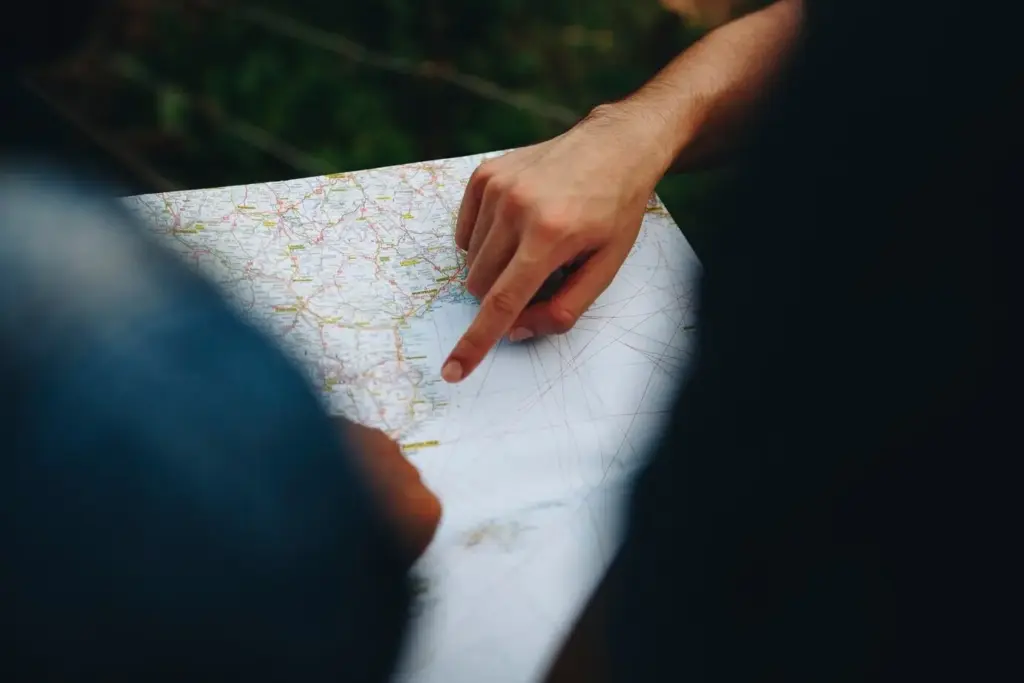
Start with quick, respectful photos, a timestamp, and cross-street notes. Add a short description of materials, condition, and context. Later, transfer to an open map layer, double-checking coordinates while avoiding private entrances, faces, license plates, and any details that could unintentionally expose sensitive locations or creators.

Open data and attribution

Favor platforms that export to open formats and honor artists’ wishes. When known, credit creators and crews, link to statements, and mark uncertain authorship transparently. Use clear licenses for your photos and datasets so community historians, teachers, and accessibility advocates can reuse, remix, and responsibly extend the archive.

Designing readable maps

Cluttered pins overwhelm newcomers. Use categories, color codes, and tag filters that matter, like ramp-friendly access, kid-friendly viewing, low-light visibility, and weekend hours. Provide short, welcoming descriptions and alternate text so screen-reader users and non-native speakers can enjoy the journey without feeling excluded or rushed.

Stories from the Sidewalk
Personal encounters teach what instructions cannot. These vignettes share moments when ordinary corners surprised us, proved our methods, and reminded us to tread kindly. From rain-blurred chalk alphabets to ceramic initials smiling from a gutter, discoveries arrived quietly, then reshaped how neighbors greeted one another afterward.

Community Participation and Care

Mapping is stewardship. We balance enthusiasm with consent, accuracy with protection, and curiosity with respect. Here we outline how to invite participation, handle sensitive finds, and ensure contributors feel welcome, credited, and safe, while artists’ intentions, neighbors’ privacy, and public space dignity remain central.

Plan Your Own Curbside Quest

Carry a phone or camera, notebook, spare battery, measuring tape, soft cloth, and weather-ready layers. Add chalk for temporary annotations away from art, plus hand sanitizer after handling poles or rails. Preload offline basemaps, and set a clear time window so attention stays focused and joyful.
Choose well-lit loops with crosswalks and resting spots. Walk with a buddy when possible, tell someone your route, and respect posted signs. Wear reflective accents, stay aware of driveways and bikes, and prioritize your instincts. If a space feels uncomfortable, reroute immediately and document from a safe vantage.
After your walk, organize photos, rename files with cross streets, and transcribe quick impressions while details remain fresh. Add entries to your chosen platform, verify permissions, and invite friends to review accessibility notes. Post updates, credit helpers, and encourage subscribers to suggest corrections or contribute new pins.
Vorifirevekolafoxi
Privacy Overview

This website uses cookies so that we can provide you with the best user experience possible. Cookie information is stored in your browser and performs functions such as recognising you when you return to our website and helping our team to understand which sections of the website you find most interesting and useful.